First-Time Visitor’s Guide to London, England UK: What to See, Do & Know
Introduction
There’s something about London that feels familiar even before you arrive. Maybe it’s the red double-decker buses, the black cabs, or the fact that you’ve seen the city in countless movies and TV shows. But once you’re actually there — walking through narrow cobblestone streets, hearing Big Ben echo across Westminster, or grabbing a coffee beside the Thames — London feels bigger, livelier, and far more layered than expected.
For first-time visitors, the city can seem overwhelming at first. London is enormous, packed with history, and constantly moving. But that’s also what makes it unforgettable.
Here’s a practical, experience-first guide to making the most of your first trip to England’s capital.
Why London Is Worth Visiting
London blends old-world history with modern city life better than almost anywhere else in Europe. One minute you’re standing beside a thousand-year-old fortress, and the next you’re inside a trendy food market or rooftop bar.
The city offers:
Historic landmarks
World-class museums
Diverse food from every corner of the globe
Excellent public transport
Endless neighborhoods with completely different vibes
Whether you’re into history, nightlife, art, shopping, football, or just wandering around beautiful streets, London delivers.
Best Time to Visit London
The most pleasant months are usually May through September, when the weather is milder and the parks are full of life.
Spring (March–May)
Blooming parks and gardens
Fewer crowds than summer
Cool but comfortable temperatures
Summer (June–August)
Long daylight hours
Festivals, outdoor dining, busy attractions
Higher hotel prices and larger crowds
Autumn (September–November)
Beautiful colors in the parks
Cooler weather
Great time for museums and markets
Winter (December–February)
Christmas lights are magical
Cold, damp weather
Fewer tourists after the holidays
A quick reality check: London weather changes constantly. Pack layers and always carry a small umbrella.
Must-See Attractions in London
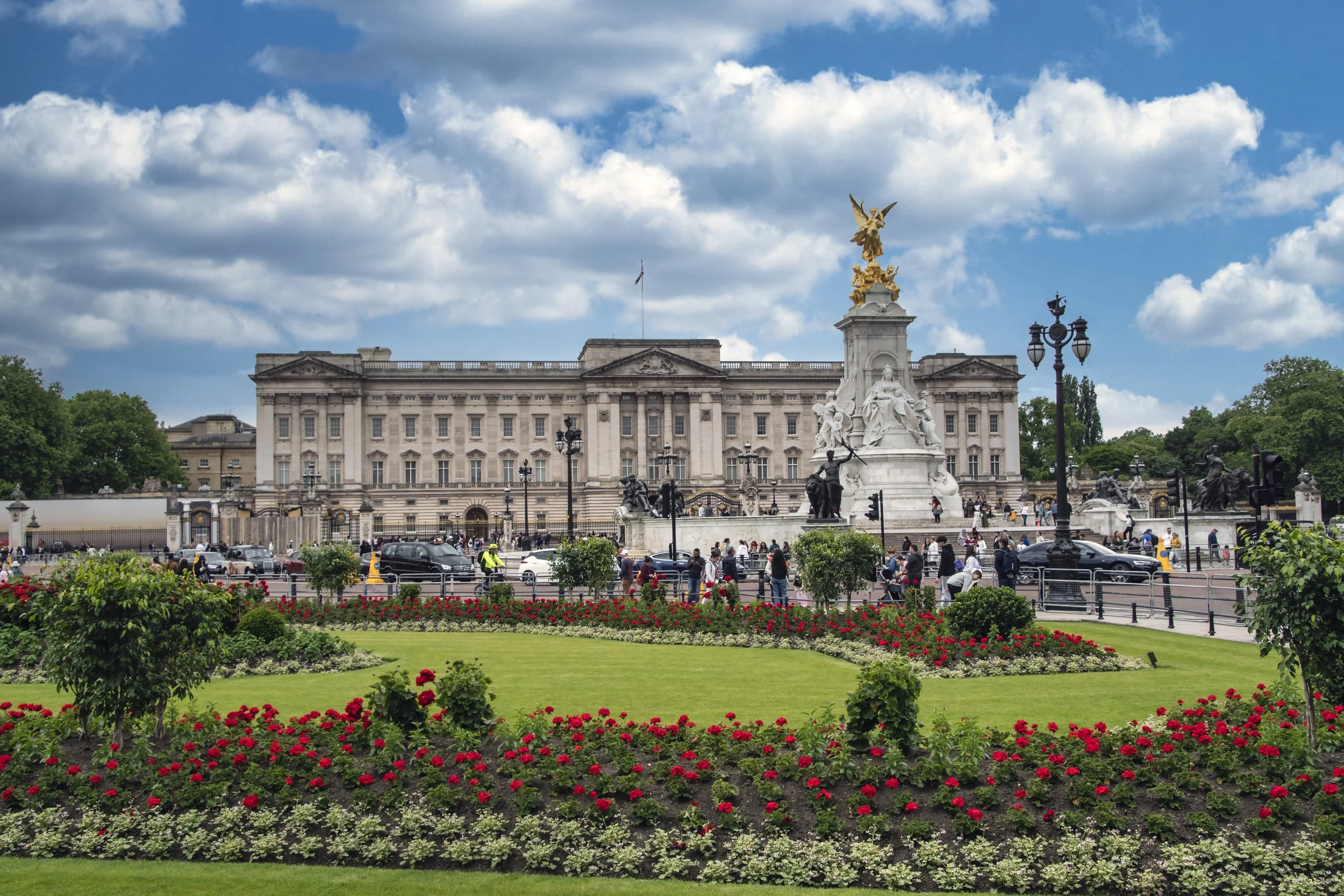
1. Buckingham Palace & Westminster
This is the London most people picture first.
Start around:
Buckingham Palace
Big Ben
Westminster Abbey
The area is extremely walkable, and seeing Parliament beside the River Thames feels surreal in person.
If you can, go early in the morning before tour groups arrive.
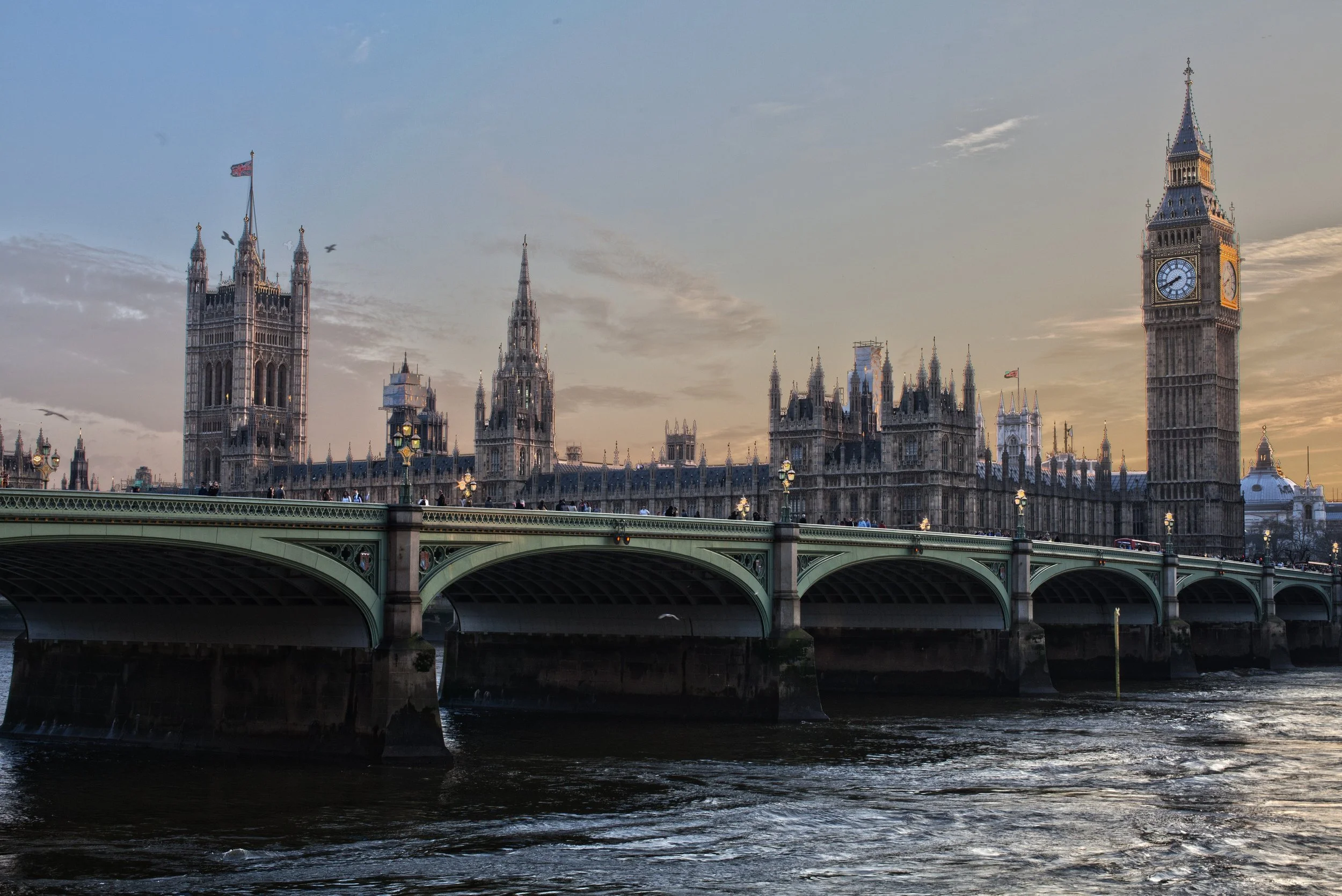
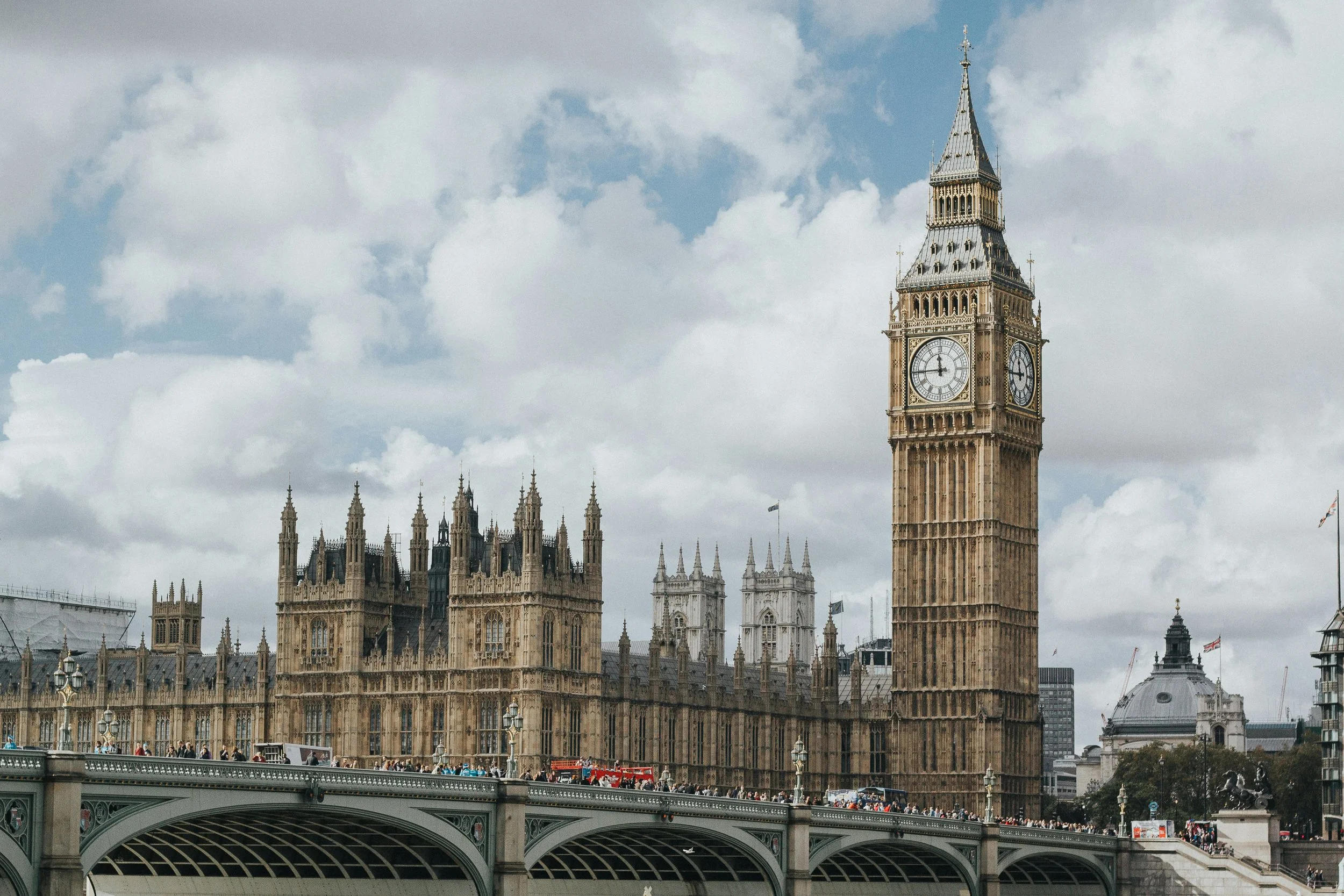
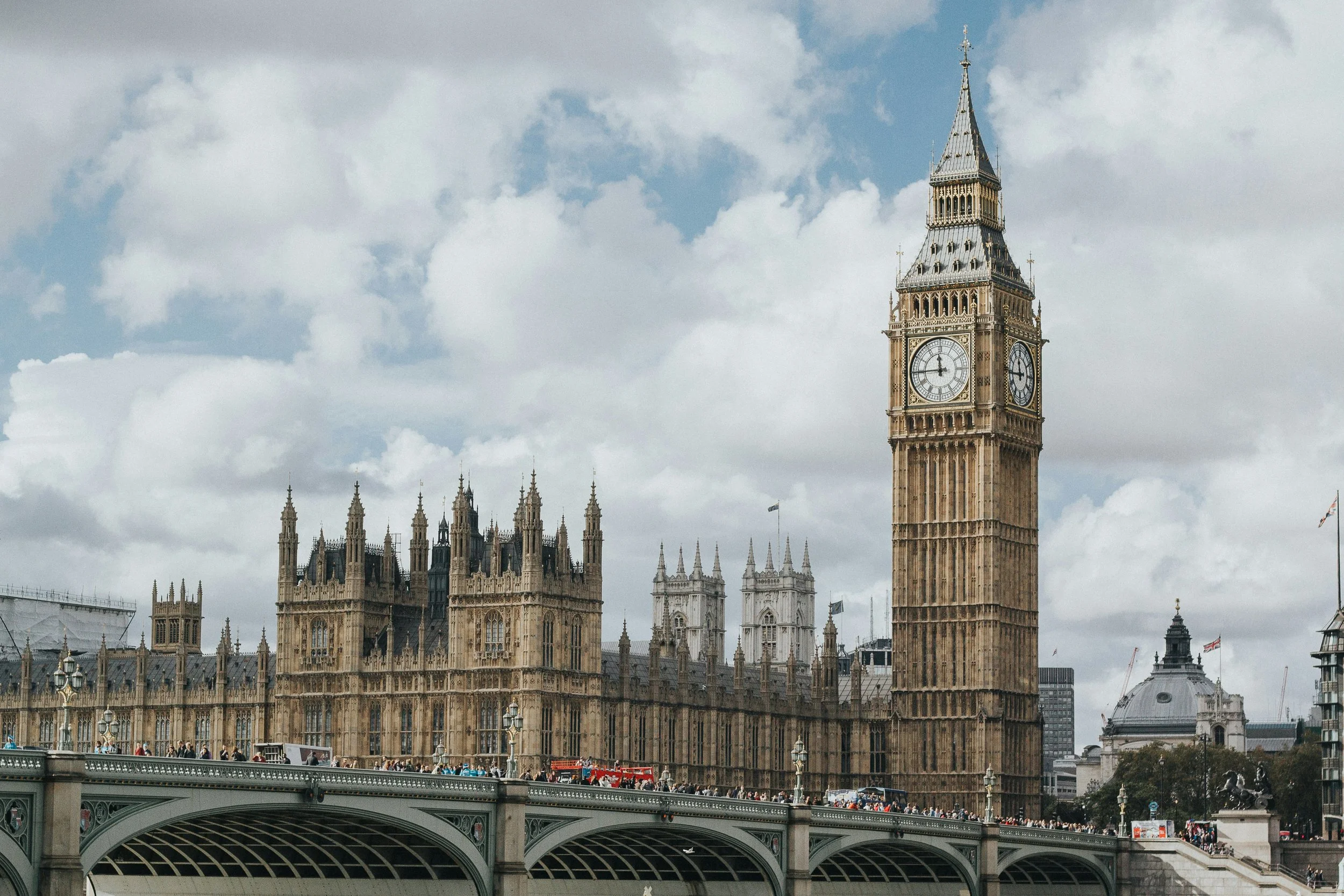
2. Westminster & Big Ben
This is the postcard version of London everyone imagines. Seeing Big Ben and the Palace of Westminster in person somehow still lives up to expectations.
Walk across Westminster Bridge for some of the best views in central London, especially around sunset.
Nearby, you’ll also find:
Westminster Abbey
The London Eye
The River Thames walking paths
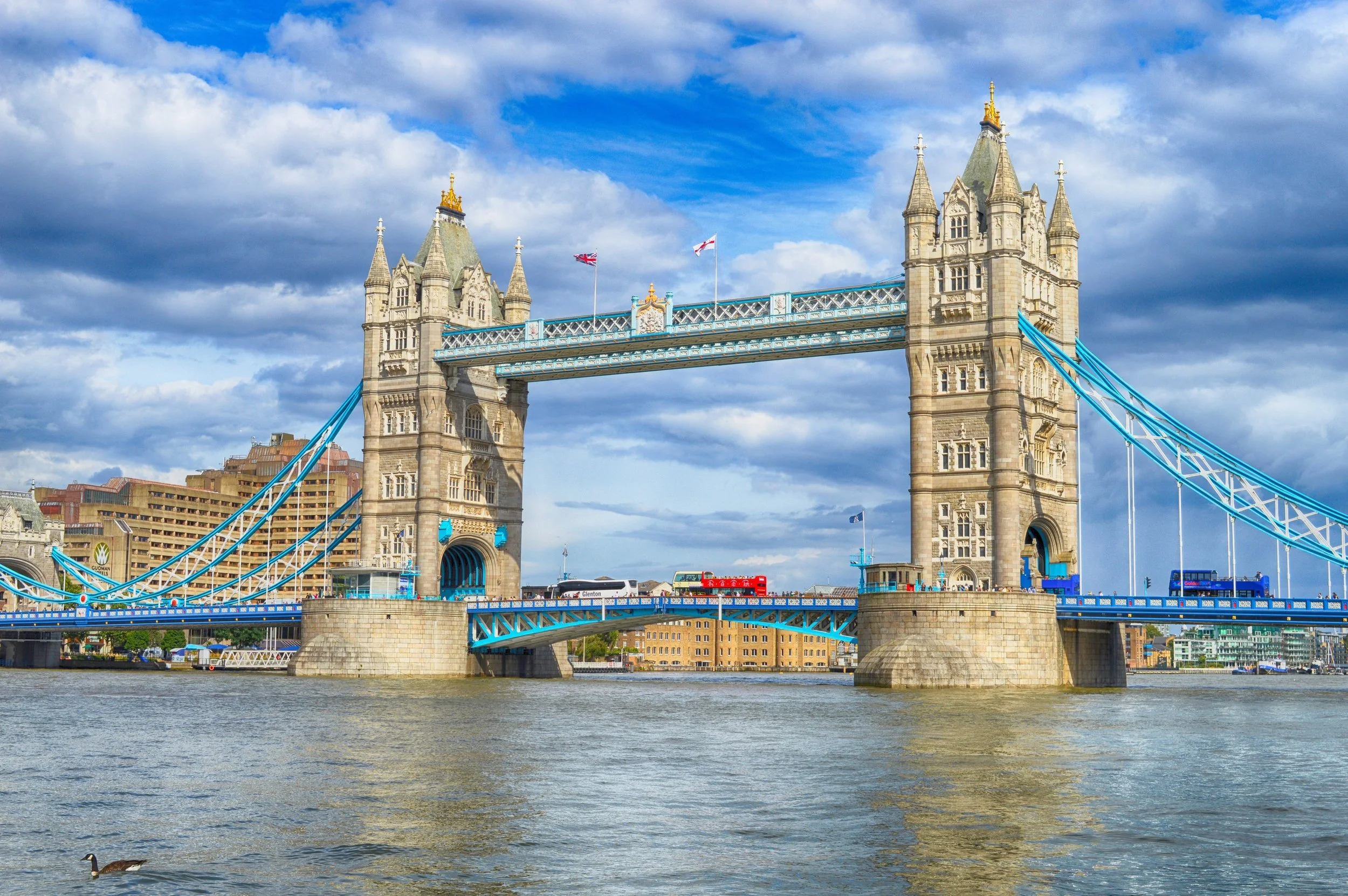
3. Tower Bridge & The Tower of London
This side of London feels older and more dramatic. Many people mistakenly think Tower Bridge is London Bridge. It isn’t — but it is the more iconic one.
Tower Bridge is especially beautiful early in the morning or after dark when it lights up over the Thames.
Right beside it sits the Tower of London, where you can explore royal history, medieval towers, and the Crown Jewels.
Walking along the Thames nearby is one of the best free experiences in the city. Plan at least half a day for this area.
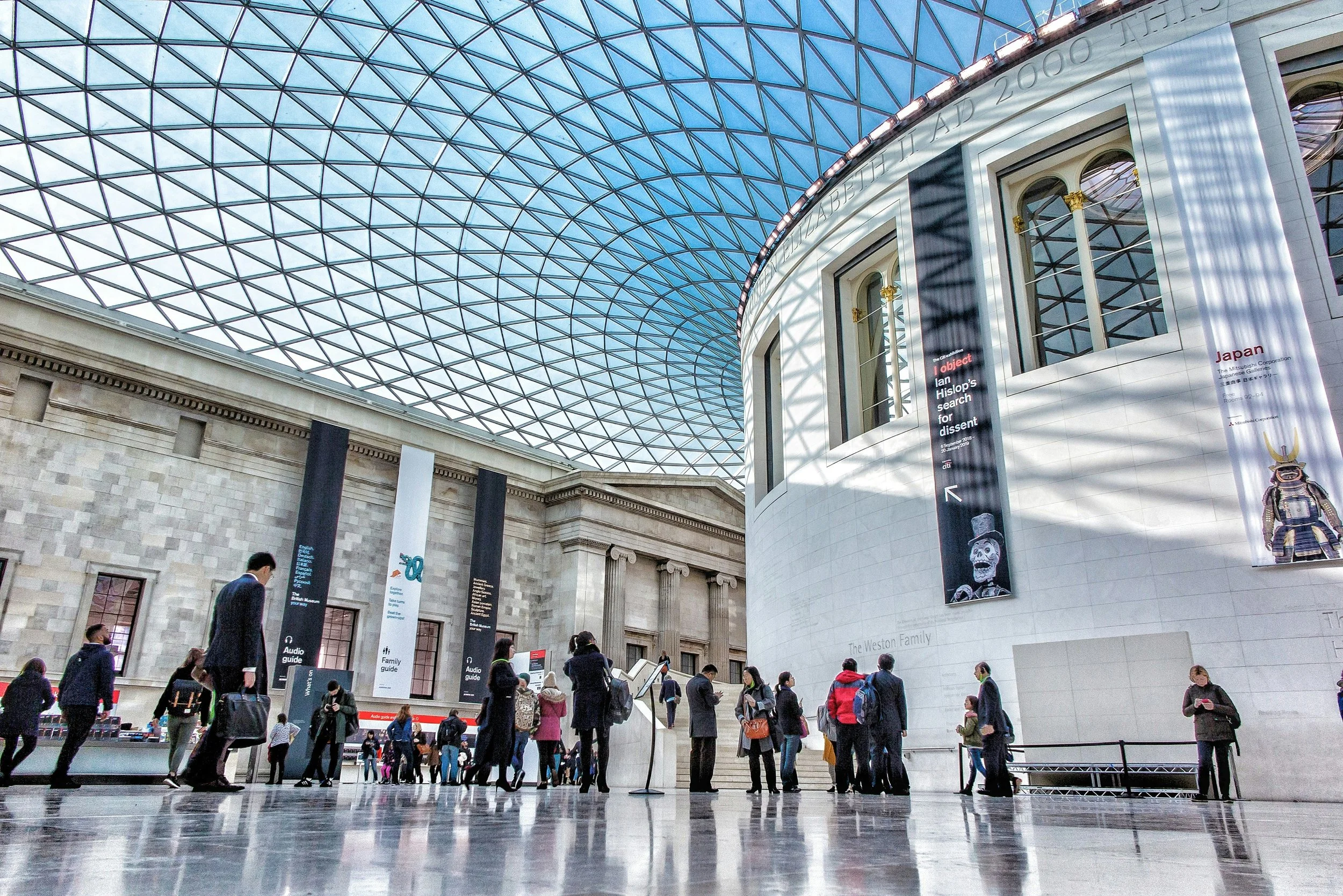
4. British Museum
British Museum is massive, free, and easy to spend half a day in. The British Museum is massive and filled with world-famous artifacts, including:
The Rosetta Stone
Egyptian mummies
Ancient Greek sculptures
Ancient artifacts from around the world
Even people who “aren’t museum people” usually end up enjoying this one.
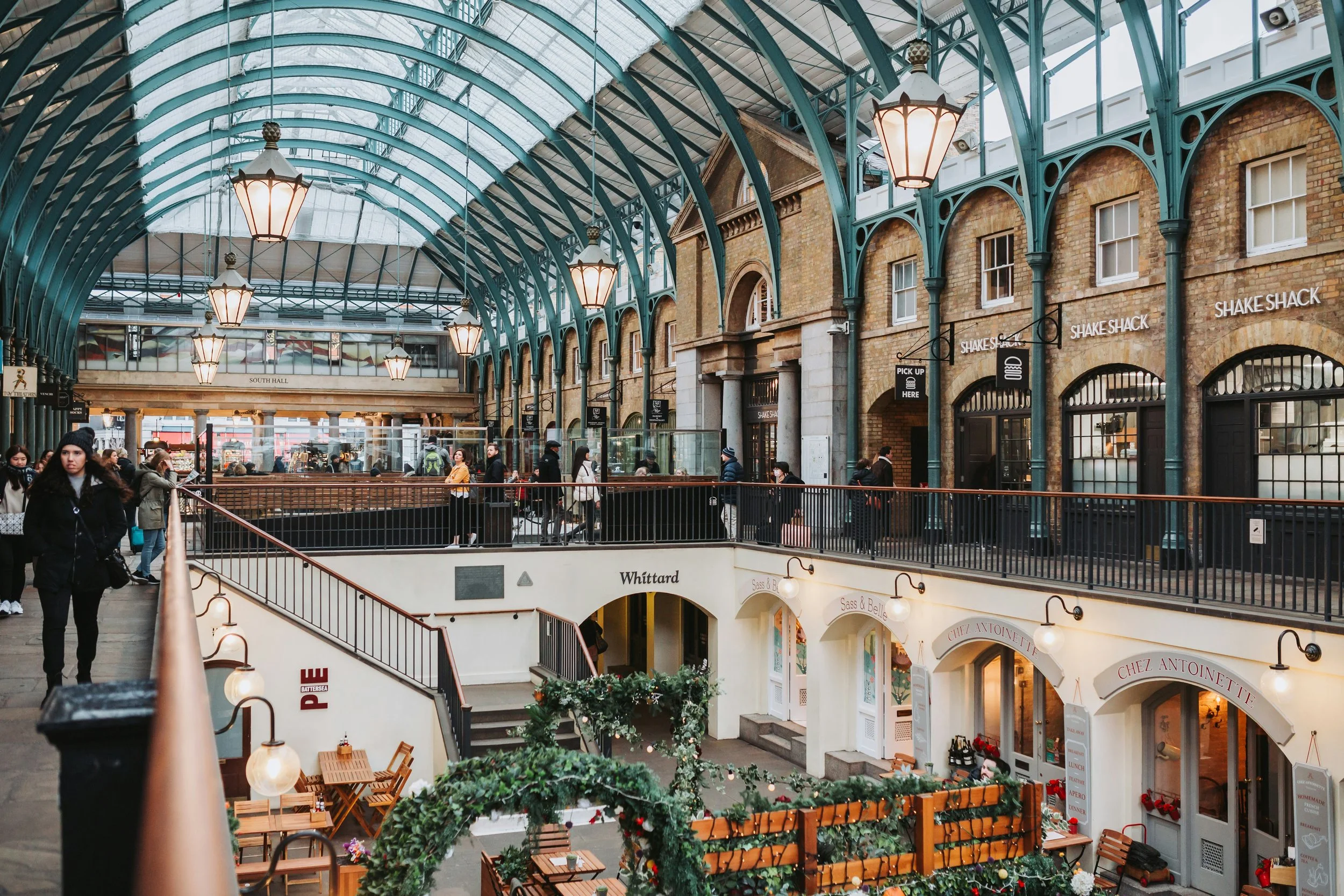
5. Covent Garden & Soho
For atmosphere, this is one of the best areas in London.
You’ll find:
Street performers
Historic pubs
Theaters
Small cafes
Excellent restaurants
Covent Garden is touristy, but still charming.
Nearby Soho feels more energetic and local, especially at night.
6. Camden Market
If royal palaces and museums start feeling repetitive, head to Camden Market.
This area feels completely different from central London — more alternative, creative, and chaotic in the best way possible.
Expect:
Street food from around the world
Vintage shops
Live music
Canal-side walks
It’s one of the easiest places in London to spend an entire afternoon without realizing it.
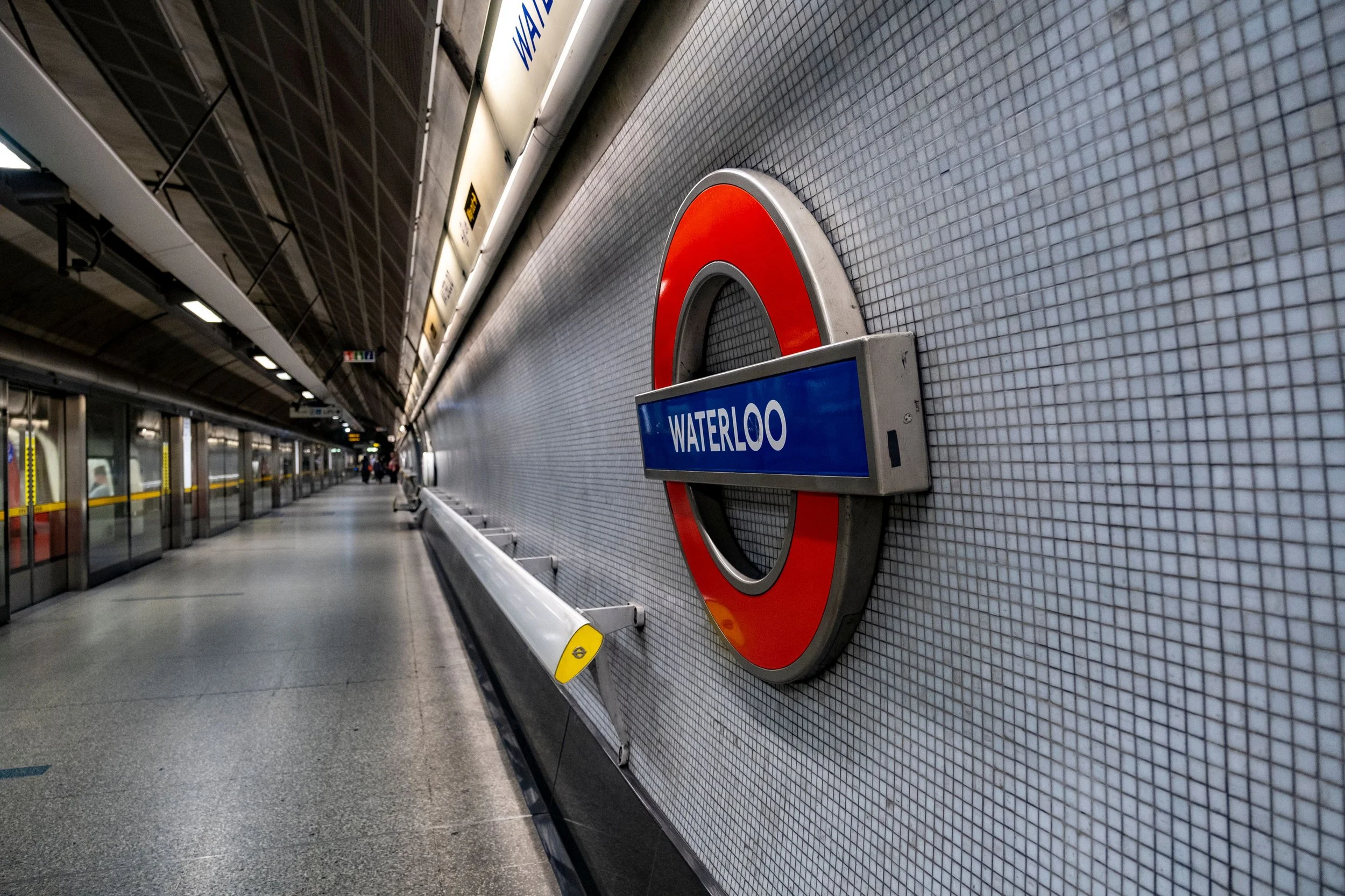
Getting Around London
London’s Underground system looks confusing and intimidating at first, but it’s actually one of the easiest ways to get around the city. The Tube will save you both time and money.
A few helpful tips:
Use contactless payment or Apple Pay instead of buying paper tickets
Stand on the right side of escalators
Avoid rush hour if possible
Download Citymapper or Google Maps offline
You’ll walk more than expected in London, so comfortable shoes are non-negotiable.
London Weather Changes Fast
Even in summer, London weather can flip from sunshine to rain in an hour.
Bring:
A light waterproof jacket
Comfortable walking shoes
Layers
Umbrellas help, but wind and rain can arrive unexpectedly.
Hidden Gems Most Tourists Miss
If you want a different side of the city:
Talad Noi (old street art district)
Bang Krachao (green “jungle” inside the city)
Artist’s House (quiet canal-side escape)
These spots show a softer, slower Bangkok most travelers never see.
Tipping Isn’t Mandatory Everywhere
Unlike the US, tipping culture in the UK is more relaxed.
Many restaurants already include a 12.5% service charge on the bill. Always check before tipping extra.
For pubs, taxis, and cafés, small tips are appreciated but not expected.
Where to Stay in London
Covent Garden
Best for:
First-time visitors
Central and walkable.
Restaurants and theaters
South Bank
Best for:
Great river views and close to major sights.
Attractions nearby
Relaxed atmosphere
Kensington
Best for:
Cleaner, quieter stays, and near museums.
Families
Soho
Best for:
Nightlife
Food
Energy and entertainment'
Shoreditch
Best for:
More nightlife, coffee shops, and creative energy.
Unless you’re staying far outside the city, most neighborhoods are well connected by public transport.
Common Mistakes First-Time Tourists Make
Trying to See Everything
London is huge. Don’t try to cram 15 attractions into one day.
Underestimating Travel Time
Even short Tube rides add up. Things look close on the map. They often aren’t.
Forgetting Reservations
Popular restaurants and afternoon tea spots book up quickly.
Eating Only Near Tourist Attractions
Walk a few streets away and prices usually improve. Some of London’s best experiences happen outside the major landmarks.
Explore neighborhoods like:
Notting Hill
Shoreditch
Greenwich
Richmond

Foods You Should Try in London
London’s food scene is far better than old stereotypes suggest.
A few classics worth trying:
Fish and chips
Full English breakfast
Sunday roast
Sticky toffee pudding
Afternoon tea
But honestly, one of London’s biggest strengths is international food. Some of the city’s best meals are Indian, Turkish, Lebanese, Thai, or Nigerian.
Budget Tips for London
London can be expensive, but it doesn’t have to destroy your wallet.
Ways to Save Money
Visit free museums
Use public transport instead of taxis
Eat at markets or pubs
Book attractions online in advance
Stay slightly outside the city center
A lot of London’s best experiences — parks, architecture, walking routes, markets — cost nothing at all.
A Simple 3-Day London Itinerary
Day 1
Westminster
Buckingham Palace
London Eye area
Thames evening walk
Day 2
Tower of London
Tower Bridge
Borough Market
Sky Garden
Day 3
British Museum
Covent Garden
Soho
West End show
That’s enough to experience the city without burning yourself out.
Final Thoughts
London isn’t the kind of city you “finish.” Even after a week, you’ll leave feeling like there’s still more to explore — another hidden pub, another historic street, another neighborhood with its own personality.
That’s part of the appeal.
For first-time visitors, the best approach is simple: don’t rush. See the famous landmarks, but leave room for wandering too. Some of the best memories in London happen between destinations, not just at them.
Until next time,
Crestway Travel

Crestway Travel
Crestway Travel is a destination-focused travel brand built for those who prefer to experience places with intention rather than haste. It’s rooted in the idea that the best journeys aren’t rushed—they unfold through thoughtful routes, meaningful stays, and the kind of details that make a place stay with you long after you’ve left.