Best Things to Do in Barcelona, Spain (2026 Travel Guide for Culture Lovers)
Introduction
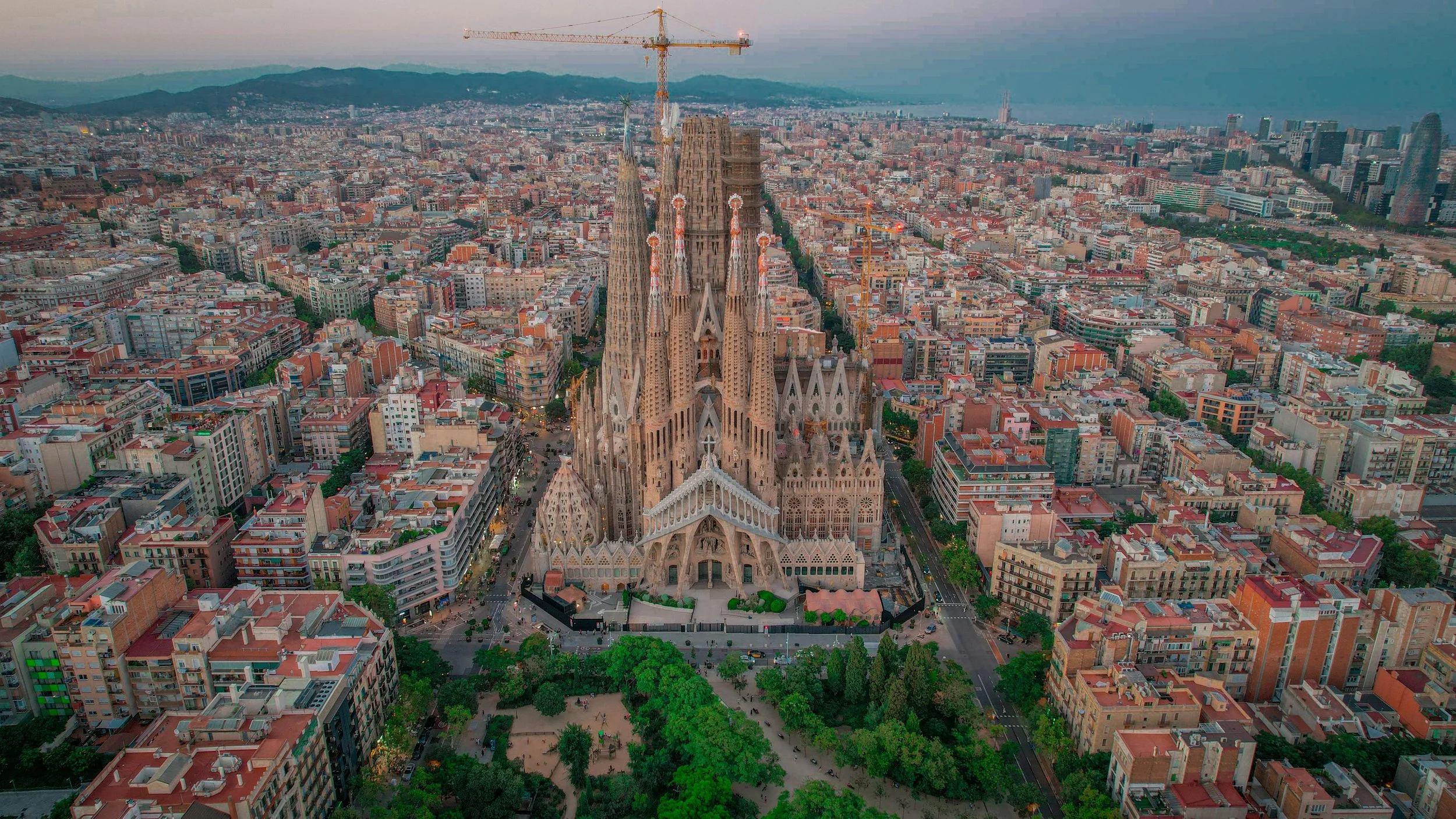
Barcelona in 2026 still feels like one of those rare cities where you can walk through a thousand years of history in a single afternoon and then end the day with a glass of cava by the sea. For culture lovers, it’s not just a destination—it’s a layered experience where Roman ruins, Gothic alleys, modernist fantasy, and contemporary art all compete for your attention.
Start with Gaudí, but don’t rush it
You can’t talk about culture in Barcelona without stepping into the world of Antoni Gaudí. The first stop for most people is still the iconic Sagrada Familia, and in 2026 it’s closer than ever to its long-awaited completion. Whether or not it’s officially “finished,” the interior already feels like standing inside a living forest of stone and light. Go early in the morning if you want to actually hear yourself think.
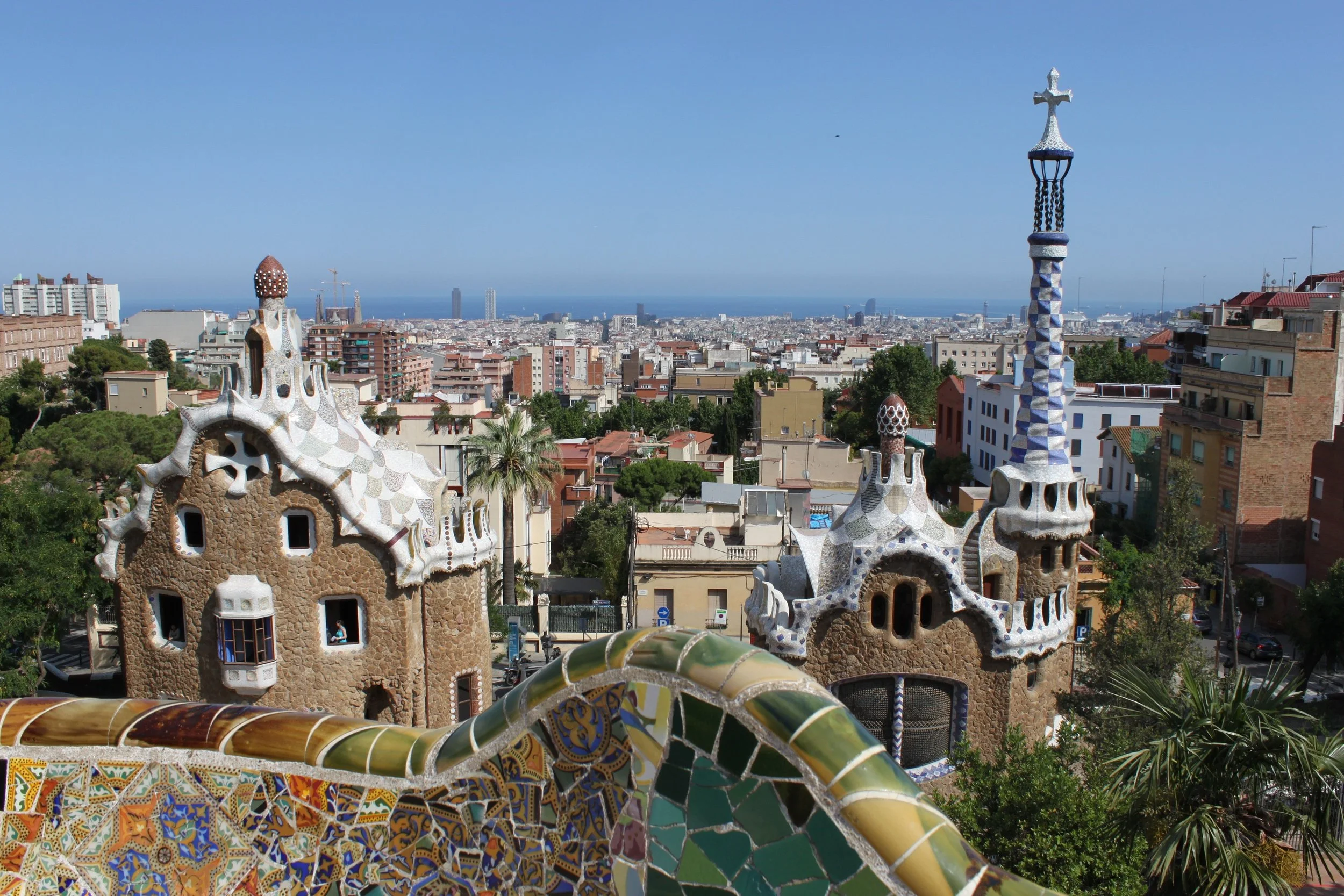
From there, head up to Park Güell. The mosaic-covered benches, twisted columns, and sweeping city views are still surreal even if you’ve seen them a hundred times on Instagram. It’s worth booking ahead—Barcelona has gotten stricter about crowd control, and for good reason.
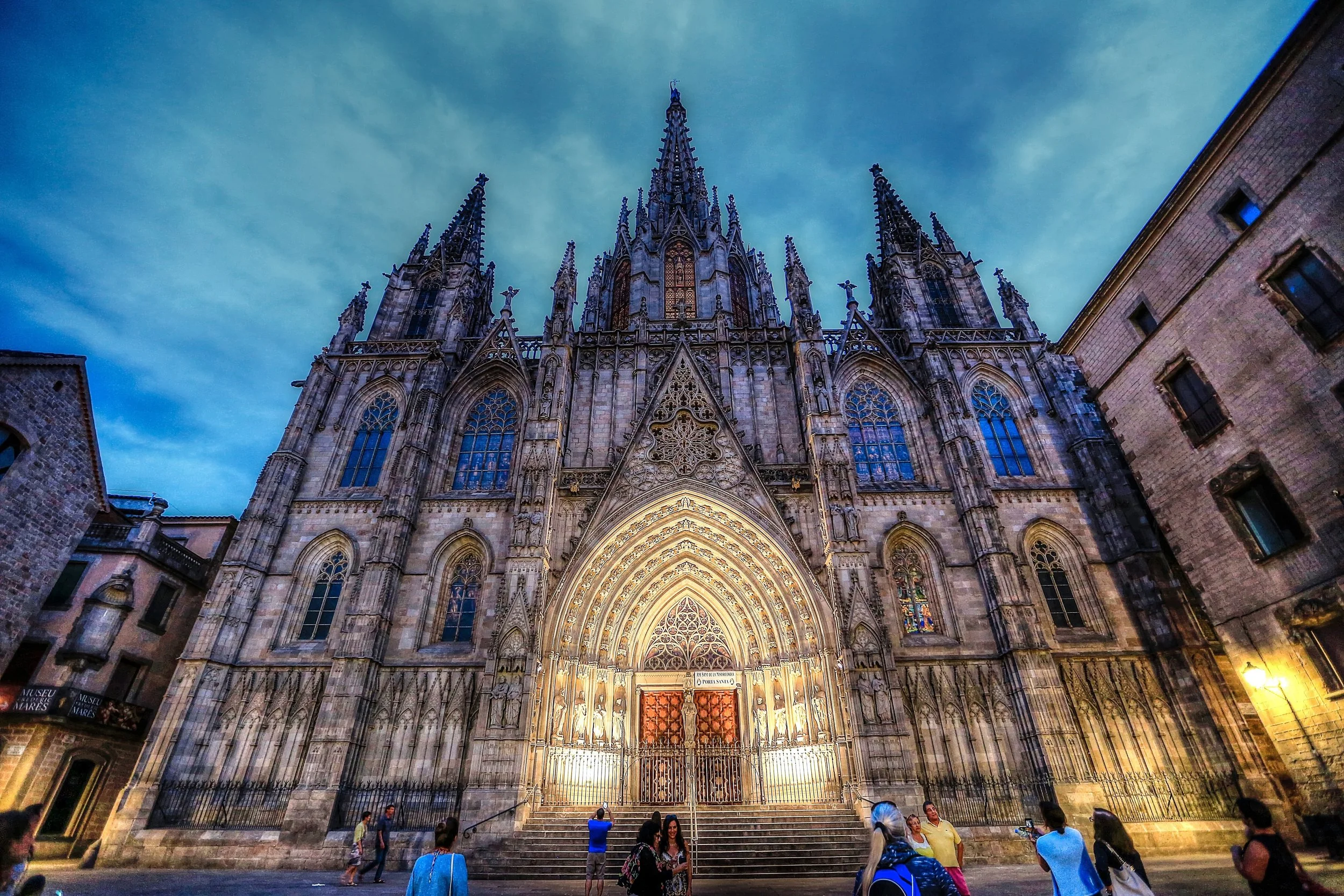
Get lost in the Gothic Quarter (and don’t try too hard to find your way out)
The Gothic Quarter is where Barcelona’s oldest stories still feel alive. Narrow streets open into sunlit squares, and you’ll stumble across Roman walls without even trying. Skip the main drag for a while and drift into side streets like Carrer del Bisbe or Plaça Sant Felip Neri, where the noise of the city fades a bit and the atmosphere gets heavier, in a good way.
This is also where Barcelona’s cultural layering is most obvious—you’ll see medieval buildings next to modern cafés, and street musicians playing under 600-year-old arches.
Picasso, Miró, and the city’s artistic backbone
If Gaudí represents Barcelona’s imagination, its museums show its discipline. The Museu Picasso is still one of the best ways to understand Pablo Picasso’s early years. It’s less about “famous masterpieces” and more about watching a genius learn how to see.
For something more abstract and modern, head up Montjuïc to the Fundació Joan Miró. The building itself is worth the visit, but Miró’s work inside feels deeply connected to Catalonia’s identity—playful, symbolic, and a little mysterious if you don’t rush through it.
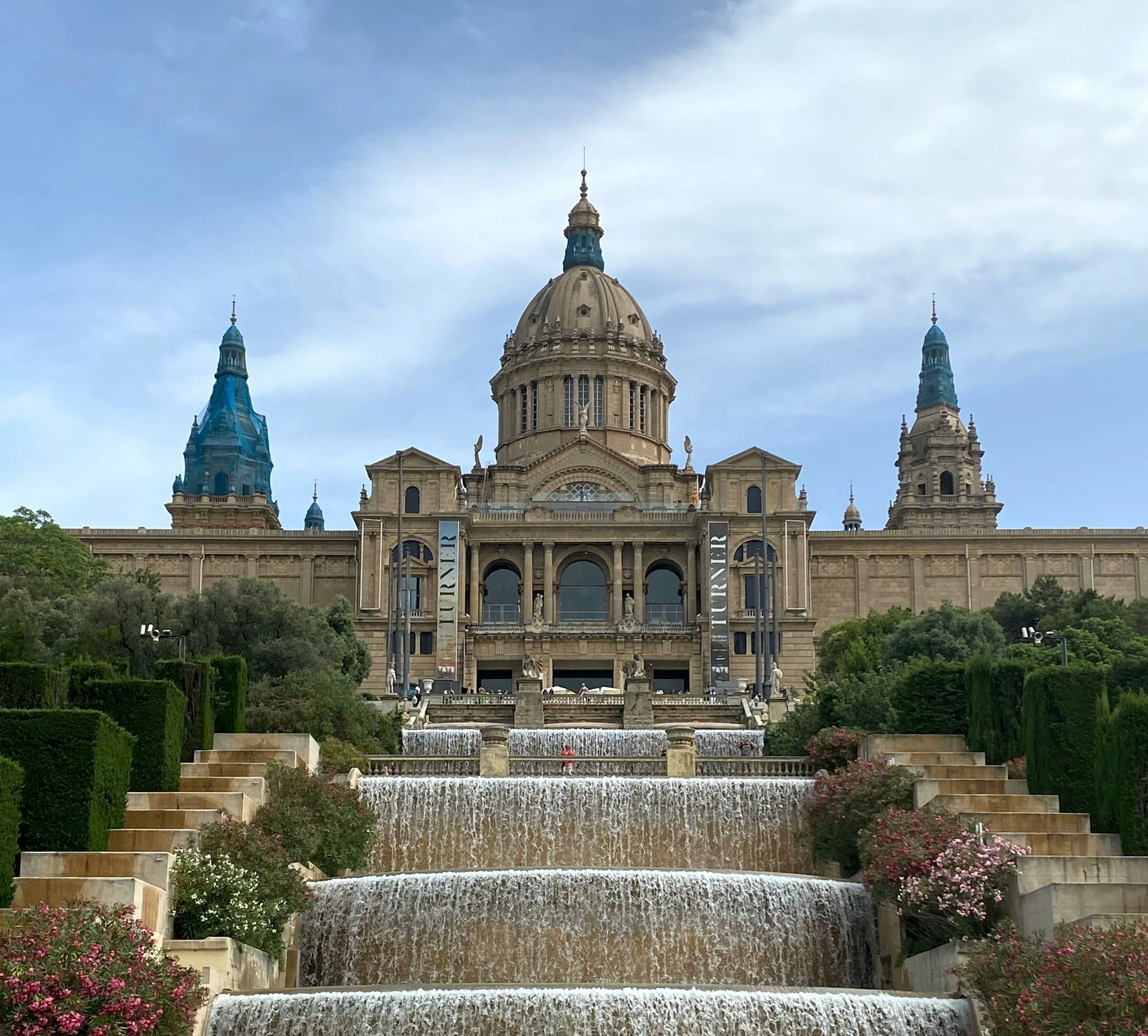
Montjuïc: where culture meets views
Speaking of Montjuïc, this hill overlooking the harbor is one of the most underrated cultural zones in the city. The Museu Nacional d'Art de Catalunya sits in a grand palace that feels almost excessive in the best way. Inside, you get Romanesque frescoes, Gothic altarpieces, and modern collections that trace Catalonia’s artistic evolution.
Outside, the steps leading down from the museum offer one of the best sunset views in Barcelona—especially when the city starts glowing orange and the fountains begin their evening show.
Contemporary Barcelona: design, neighborhoods, and everyday culture
Barcelona isn’t stuck in its past. Walk through El Born or Poblenou and you’ll see how design studios, galleries, and old industrial spaces have been repurposed into something very current. Poblenou in particular has turned into a quiet creative hub—less polished than central Barcelona, but that’s part of its appeal.
If you want to understand how locals actually live now, spend time in cafés where Catalan is spoken more than English, or visit a neighborhood bakery early in the morning. Culture here isn’t only in museums; it’s in daily rhythm.
End by the sea, like everyone eventually does
No cultural itinerary in Barcelona feels complete without the Mediterranean. The city’s beaches aren’t just tourist spaces—they’re part of its identity. Head toward Barceloneta if you want energy, or further along toward Bogatell if you want something calmer.
There’s a moment at the end of the day when the city quiets slightly, the light softens, and you realize why Barcelona has always attracted artists, architects, and restless travelers. It doesn’t try to impress you. It just exists with confidence.
And that’s usually what makes people come back.

Crestway Travel
Crestway Travel is a destination-focused travel brand built for those who prefer to experience places with intention rather than haste. It’s rooted in the idea that the best journeys aren’t rushed—they unfold through thoughtful routes, meaningful stays, and the kind of details that make a place stay with you long after you’ve left.